
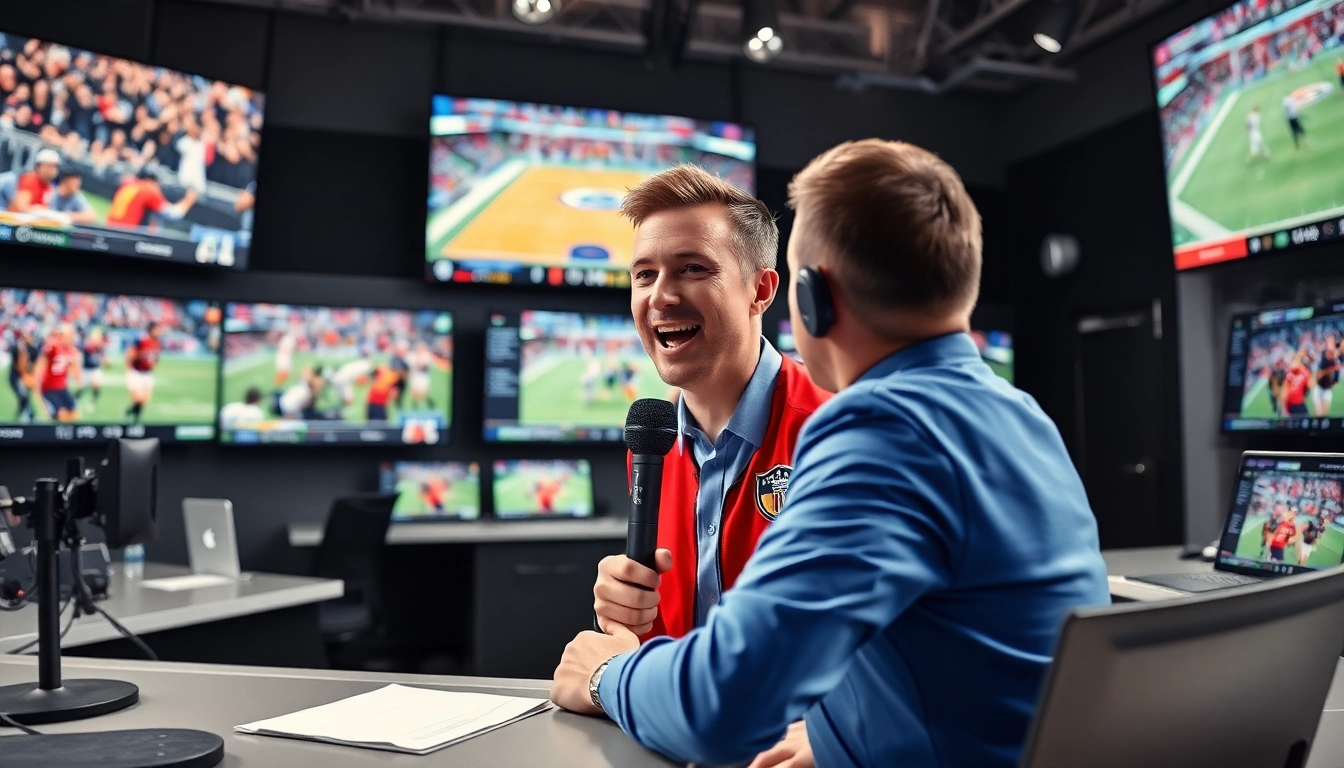
Understanding the Foundations of Sports Broadcasting
The landscape of Sports Broadcasting has experienced significant transformations over the past decades. As audiences continue to demand innovative and immersive viewing experiences, it’s essential to delve into the foundations of sports broadcasting to appreciate its evolution and the forces driving its future. This article will guide you through the history, technology, and key components that constitute effective sports broadcasts.
History and Evolution of Sports Broadcasting
Sports broadcasting has roots that intertwine with the development of mass communication. The first significant leap occurred in the early 1920s with radio broadcasts of sporting events, where local stations began airing game commentary, leading to a growing fan base. By the late 1930s, television emerged as a new medium, dramatically changing the way fans consumed sports. The iconic 1936 Berlin Olympics was one of the first occasions where television effectively showcased live sports, capturing the hearts of many.
As technology advanced, so did broadcasting techniques. The introduction of satellite and cable television in the 1980s meant that more viewers could access a broader range of sports, transcending geographical barriers. Fast forward to the 21st century, and we see the rise of the internet and mobile technology, further altering the broadcasting landscape. Streaming services, social media platforms, and on-demand content emerged, forcing broadcasters to pivot towards more dynamic and interactive forms of delivery.
The Role of Technology in Sports Broadcasting
Today, technology plays a pivotal role in shaping sports broadcasting. High-definition cameras, advanced graphics systems, and instant replay features have revolutionized the viewer experience. Moreover, the use of drones and robotic cameras has enabled broadcasters to capture angles and perspectives previously unimagined, allowing fans to immerse themselves in the action.
The integration of augmented reality (AR) and virtual reality (VR) technologies is also beginning to redefine how audiences engage with sports events. AR can overlay vital statistics and real-time information directly onto the broadcast, enriching the viewing experience. VR, on the other hand, offers fans the chance to experience games from the players’ perspective or attend virtual arenas, making them feel part of the action.
Key Components of Effective Sports Broadcasts
Crafting an engaging sports broadcast hinges on multiple components. First among these is compelling commentary. Skilled commentators not only convey the game’s action but also weave narratives that promote emotional engagement. They provide insights into players’ performances, historical context, and the significance of the event, making the broadcast much more than just a visual experience.
The production quality is another vital element. Clear audio, crisp video, and a professional presentation team contribute to a polished broadcast that captivates audiences. Further, interactive features such as live polls, social media integration, and in-game statistics can actively engage viewers, providing a more immersive experience.
Best Practices for Engaging Sports Broadcasting
Creating Compelling Storylines
Storytelling is at the heart of effective sports broadcasting. Teams, players, and events have rich narratives that can captivate audiences. Broadcasters should focus on developing these storylines, building emotional connections among players, rivalries, and historical events. By establishing character arcs and dramatic narratives, broadcasters can turn ordinary games into epic sagas that viewers want to follow week after week.
Utilizing Social Media for Audience Interaction
Social media has become a vital tool for enhancing audience engagement in sports broadcasting. By actively interacting with fans on platforms like Twitter, Instagram, and Facebook during games, broadcasters can create a community feel. Live-tweeting key moments, addressing viewer comments, and even integrating polls and viewer-generated content can significantly enrich the viewing experience.
Incorporating Viewer Feedback for Continuous Improvement
To remain relevant, sports broadcasters need to embrace viewer feedback. By analyzing audience reactions through social media engagement, viewer ratings, and surveys, broadcasters can gather insights into what resonates with their audiences. This data can then guide future content, enhancing overall viewer satisfaction and loyalty.
Innovative Trends Shaping Sports Broadcasting
Virtual and Augmented Reality in Sports
As discussed earlier, VR and AR technologies are on the rise, bringing fresh dimensions to sports broadcasting. With VR, fans can feel like they are present at the game, sitting courtside or on the front line of a football match. Alternatively, AR can enhance television broadcasts by displaying crucial player data and statistics in real-time, making for an engaging viewing experience.
Data Analytics for Enhanced Viewership Insights
The use of data analytics has become essential in understanding viewer behavior. Broadcasters analyze data on audience demographics, peak viewership times, and engagement levels to tailor their broadcasts accordingly. For instance, data insights can guide which types of content to push during specific games, enhancing viewer retention and maximizing engagement.
On-Demand Content and Streaming Services
The rise of streaming services has transformed how audiences consume sports content. With platforms offering on-demand access, fans can view games or highlights at their convenience. This shift has prompted traditional broadcasters to innovate, ensuring they adapt their offerings to satisfy the growing demand for flexible viewing options. The challenge is maintaining live viewership while also catering to the growing on-demand culture.
Challenges in Sports Broadcasting
Navigating Rights and Licensing Issues
One of the most significant challenges facing sports broadcasters is navigating the complexities of rights and licensing agreements. These agreements determine what content can be aired and on which platforms. Broadcasters must stay compliant with legal stipulations while ensuring they provide valuable content to their audience. Additionally, securing exclusive broadcasting rights can be competitive and costly, requiring broadcasters to strike a balance between investment and return.
Ensuring Quality Amid Technological Changes
As technology evolves, maintaining high-quality broadcasts can be challenging. New tools bring new learning curves for broadcasting teams, which may impact the quality of the output during transitions. Continuous training, investment in high-quality equipment, and maintaining a skilled production team are necessary steps to uphold the standards expected by modern viewers.
Addressing Audience Fragmentation and Preferences
With numerous platforms available, audience fragmentation has become a pressing issue. Fans may follow certain sports or teams on different platforms or consume content via various devices, making it challenging for broadcasters to build a unified audience base. Broadcasters need to strategize to attract and engage various segments while delivering consistent quality across all platforms.
Measuring Success in Sports Broadcasting
Key Performance Indicators for Sports Broadcasts
Measuring the success of sports broadcasts hinges on understanding key performance indicators (KPIs). These may include viewer ratings, audience engagement levels, social media interactions, and advertising revenue. By analyzing these metrics, broadcasters can ascertain which aspects of their broadcasts resonate most with audiences and adjust their strategies accordingly.
Tools for Analyzing Audience Engagement
Numerous tools are available for analyzing audience engagement. Social media analytics tools can provide insight into how viewers react to content across different platforms, while viewership analytics services can track in real-time how many individuals are watching. This data can influence content decisions, ensuring broadcasters cater to audience desires more effectively.
Case Studies of Successful Sports Broadcasting
Examining successful case studies can offer invaluable lessons for sports broadcasters. For instance, some networks that integrated strong social media interaction with their broadcasts saw an increase in viewing numbers. These networks leveraged analytics to understand audience behavior and tailored their content to enhance viewer experience significantly. By analyzing such successful examples, broadcasters can form strategies that align with proven practices.
FAQs
What equipment is essential for effective sports broadcasting?
Key equipment includes high-definition cameras, sound systems, and broadcasting software tailored to live sports.
How has technology changed sports broadcasting?
Technology has improved graphics, viewer interaction features, and multi-platform streaming, drastically enhancing user experience.
What are some popular trends in sports broadcasting today?
Popular trends include interactive content, live streaming of events, and robust social media engagement to connect with viewers.
How can sports broadcasters engage their audience better?
They can employ storytelling techniques and involve fans through social media, providing real-time updates and interactive content.
What metrics should sports broadcasters track?
Metrics to track include viewer ratings, online engagement rates, social media mentions, and audience demographics for insights.